Application to individual & team coaching
Some leadership challenges cannot be solved by changing the individual alone.
Systemic coaching views people within the wider systems in which they operate—teams, organisations, cultures and professional relationships. Rather than focusing solely on the individual, it explores how interactions, patterns and organisational dynamics influence behaviour and decision-making.
This approach is particularly valuable for leaders that are asking:
“Why does this issue keep coming back?”
“Why do different teams see the same situation so differently?”
“Why does every solution seem to create a new problem?” “How can I influence a system that I don’t fully control?”
Examples:
1. Following a merger, the initial enthusiasm begins to fade. Tensions emerge between the two leadership teams, decision-making slows, and familiar “us versus them” dynamics start to surface.
2. We all develop recurring patterns in our relationships. Certain people seem able to “push our buttons”, while we automatically adopt familiar responses. Systemic coaching explores these interaction patterns and helps disrupt cycles that no longer serve us.
Systemic coaching is highly effective when coaching teams and individuals and in certain circumstances, such as organisational transformation mergers, restructuring, leadership transitions, international growth, cross-cultural collaboration, and executive team alignment.
I apply the systemic approach when coaching individuals: we can’t change other people’s behaviour, but we can change ours, and how we interact. Changing our behaviour disrupts behavioural patterns and can help provoke a shift in power within a professional relationship.
Rather than looking for a single cause, systemic coaching explores how behaviours, decisions and relationships influence one another over time. Understanding these interactions helps teams gain perspective and identify meaningful points for change.
Collective beliefs
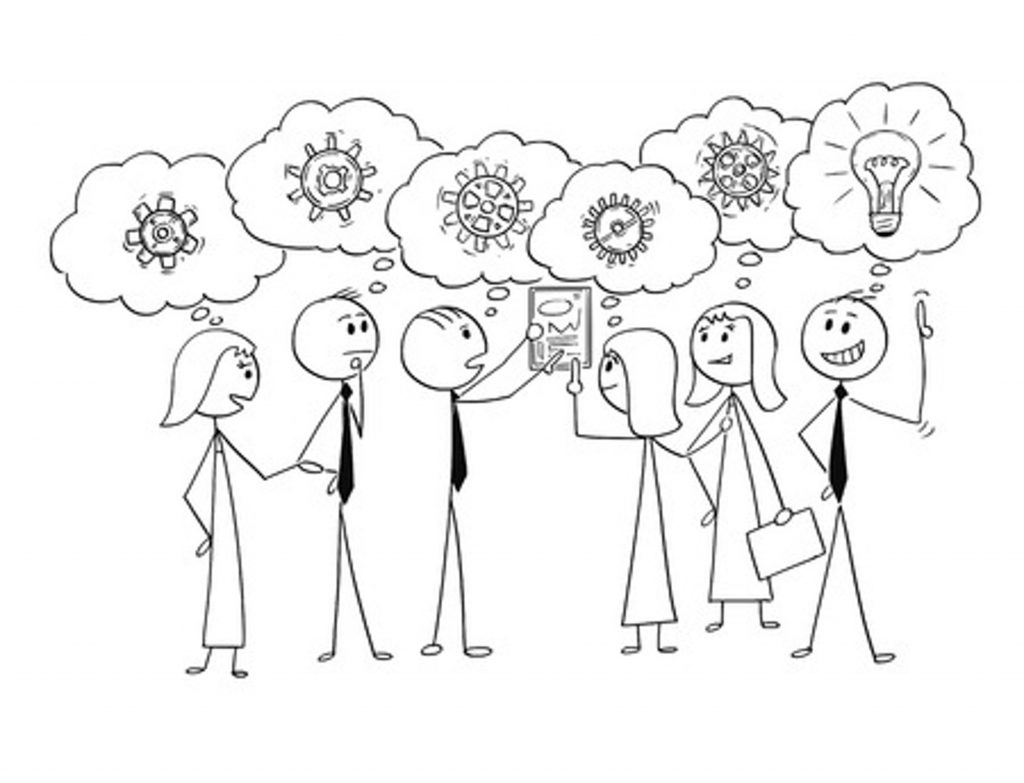
Within organisations, teams often develop shared narratives about themselves, their leaders or the organisation. Over time, these narratives are reinforced through repeated conversations and shared experiences until they are treated as facts rather than interpretations. As a result, new information is often filtered through these existing beliefs, making change more difficult.
Examples of collective beliefs:
“Senior management never listens to us.”
“Innovation isn’t rewarded here.”
“Our department always gets blamed.”
“This merger will never work.”
“We’ve already tried that—it won’t work.”
In my coaching practice, I combine systemic coaching with cognitive-behavioural coaching, drawing on over 30 years of international leadership experience. Together, these approaches help individuals and teams step back, understand the wider dynamics shaping their challenges, and identify practical actions that create lasting change.